
Chronoworking: How to Align Work Hours with Your Body Clock for Better Focus
Most freelancers I know—including myself—tend to work when we “can,” not when we should. We jump between deadlines, messages, and calls, often ignoring how drained or distracted we really feel. Over time, this kind of energy mismanagement leads to poor focus, irregular sleep, and eventual burnout. According to the National Sleep Foundation, disrupted circadian rhythms—your natural body clock—can lower cognitive performance and even impact mood and productivity.
That’s where chronoworking comes in. It’s a flexible work strategy that helps you align tasks with your personal energy peaks. Instead of forcing 9–5 hours, you work when your body and brain are most alert. This approach is gaining traction, especially among remote workers and Gen Z freelancers who prioritize work–life balance and mental health.
In this guide, I’ll walk you through what chronoworking is, how to discover your peak hours, and how to build a custom schedule that actually works with your natural rhythm—not against it.
What Is Chronoworking?
Chronoworking is the practice of structuring your work hours around your natural energy levels, not a fixed schedule. Instead of forcing myself to sit at my desk from 9 to 5, I started paying attention to when I actually feel focused—and that changed everything.
The idea is rooted in circadian rhythms, our internal 24-hour body clock that regulates alertness, sleep, and energy. Research from the Sleep Foundation shows that ignoring these natural cycles can lead to mental fatigue, poor concentration, and even long-term health issues.
Chronoworking is especially popular among Gen Z and remote freelancers who value flexibility and want to avoid burnout. Unlike traditional office schedules that treat everyone the same, chronoworking allows me to tailor deep work, admin tasks, and breaks to the times when I’m naturally most productive. It’s a smarter, more sustainable way to work in today’s remote-first world.
The Science Behind Your Body Clock
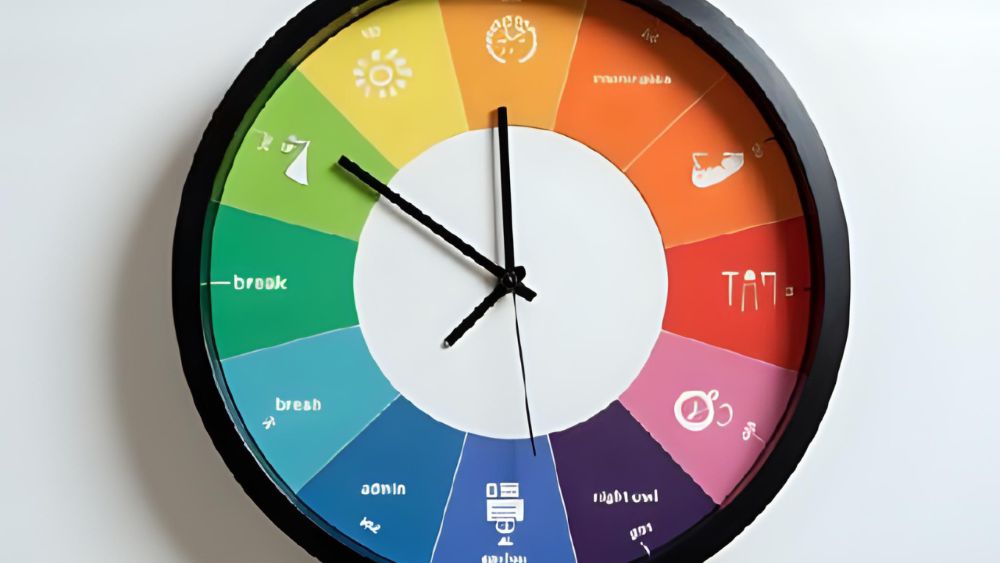
Once I started learning about circadian rhythm, a lot of things made sense—like why I crash hard mid-afternoon or why writing feels easier late at night. Our circadian rhythm is a natural 24-hour cycle that affects everything from our alertness and focus to hunger and sleep patterns. It’s like our body’s internal timekeeper, and ignoring it can seriously mess with how we function.
We all fall into different chronotypes—some of us are early birds who thrive at sunrise, while others (like me) hit their stride after lunch or even in the evening. Working against your chronotype—say, forcing deep work when your brain isn’t fully awake—can cause fatigue, brain fog, and even chronic stress over time.
Once I started syncing my tasks with my energy levels instead of the clock, I noticed a big jump in my focus and productivity.
Chronoworking Benefits for Freelancers
One of the biggest wins I’ve experienced with chronoworking is feeling in control of my time. Instead of cramming tasks into rigid hours, I’ve built a workflow that adapts to how each day unfolds. On high-energy days, I can get more done in less time. On slower days, I naturally shift to lighter tasks—without guilt.
This kind of flexibility makes it easier to separate work and life, even when I’m always online. Taking breaks when I actually need them—not when the clock says so—has helped me stay mentally sharp and emotionally steady.
It’s also reduced the constant tension I used to feel about “not doing enough.” I’m not working more hours; I’m working smarter, and that makes a difference. Chronoworking has helped me maintain momentum, avoid burnout, and still have energy left for things that matter after work.
How to Identify Your Peak Hours
Before I could build a schedule that actually works, I had to figure out when I naturally work best. Here’s what helped me identify my peak productivity windows:
- I tracked my energy for 7 days
I noted when I felt focused, tired, or distracted—without changing my habits. - I took a free chronotype quiz.
Tools like the Sleep Foundation’s quiz helped me confirm whether I’m a morning, afternoon, or evening type. - I used the Rise app to track alertness
Apps like Rise and SleepCycle gave me insights into my energy cycles, based on sleep and wake data. - I spotted clear patterns
For me, mornings are great for planning, but my creative zone kicks in around 3 PM. - I matched myself to a chronotype
I’m more of an Afternoon Charger, but you might be an Early Bird or a true Night Owl.
Creating a Chronoworking Schedule
Once I knew my natural energy patterns, the next step was building a schedule around them. I kept it flexible, but I followed a basic structure to stay focused without burning out.
Here’s how I set mine up:
- I mapped my energy peaks and dips.
I used my 7-day log to pinpoint when I felt sharp vs. sluggish. - I blocked deep-focus tasks during my peak hours.
For me, that’s late afternoon—so that’s when I write or tackle strategy work. - I scheduled admin work during low-energy times.
Email, reports, and cleanup tasks go in my post-lunch slump. - I reserved creative work for my “flow” hours.
Brainstorming and content ideation are easier when I’m relaxed, usually in the evening.
Here are two common sample schedules:
- Early Bird: 6am–2pm deep work, 3pm admin, rest of the day off.
- Night Owl: Admin or planning in the morning, 2pm–10pm for focused tasks.
There’s no “correct” setup. The point is to build around your energy—not force yourself into someone else’s rhythm.
Common Challenges (and Fixes)
Even after setting up my chronoworking routine, I ran into a few roadblocks. Here’s how I handled them without giving up the flexibility:
- I kept getting distracted during my best hours
I started using time-blocking and tools like Focusmate to stay locked in. - My clients were in different time zones
I switched to asynchronous tools like Loom and Slack so we could collaborate without real-time pressure. - I felt guilty for not working “normal” hours
I had to remind myself: results matter more than a fixed schedule. Once I saw how much better I performed, the guilt faded fast.
Absolutely! Here’s the “Chronoworking Tools to Stay on Track” section, written in first person, SEO-friendly, using bullets with helpful links and no repetition:
Chronoworking Tools to Stay on Track
To make chronoworking sustainable, I use a few tools to stay organized, focused, and consistent without micro-managing my time.
- Toggl or Clockify – I track how long tasks take and spot time leaks.
→ Toggl | Clockify - Rise Sleep App – Helps me log sleep and energy trends.
→ Rise Science - Sunsama or Todoist – I batch tasks based on energy level and type.
→ Sunsama | Todoist - Focusmate – I co-work virtually with others to stay accountable.
→ Focusmate
These tools make it easier to work with my energy, not against it.
Conclusion
As a freelancer, I’ve learned that I don’t have to follow a traditional 9–5 routine to be productive. In fact, forcing a fixed schedule often left me feeling drained and frustrated. Once I started aligning my tasks with my natural energy flow, everything became easier—my focus improved, my work felt more intentional, and I actually had time to rest.
If you’re feeling stuck or constantly exhausted, try tracking your energy for just one week. You might be surprised at how much more effective you can be when your schedule finally fits you.
FAQ: Chronoworking for Remote Freelancers
1. Is chronoworking suitable for night owls?
Absolutely. Chronoworking is built around your natural energy patterns, so night owls can schedule deep work during late-night focus windows without guilt or pressure to conform to 9–5 hours.
2. What’s the best app for energy tracking?
Apps like Rise Sleep App, SleepCycle, and Oura help you track your circadian rhythm, energy dips, and sleep quality. I personally use Rise for its simple daily energy timeline.
3. Can chronoworking improve work–life balance?
Yes. By aligning tasks with your body clock, you can finish high-focus work faster, reduce overwork, and make space for rest or personal time—without sacrificing results.
